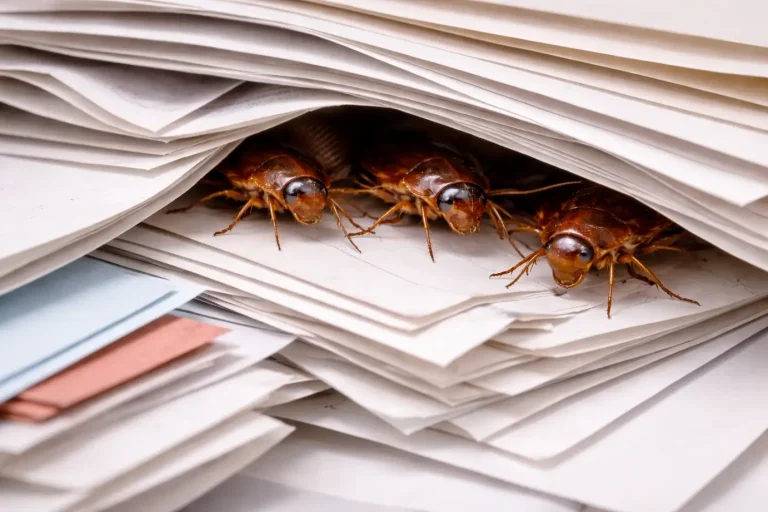
Clutter and storage habits in homes and businesses often go unnoticed, but they can play a significant role in attracting and harboring pests. Piles of unused items, overstuffed closets, and poorly organized storage areas create dark, undisturbed spaces that are ideal for pests to hide, breed, and thrive. These hidden environments make it difficult to spot early signs of infestations, allowing pest populations to grow unchecked. Understanding how everyday storage choices and clutter contribute to pest problems is essential for maintaining a clean, healthy, and pest-free environment.
How clutter impacts pest activity
Cluttered spaces provide pests with the perfect hiding spots and nesting areas. When items are stacked haphazardly or left undisturbed for long periods, they create dark, sheltered environments that pests such as rodents, cockroaches, and spiders find attractive. These pests are naturally drawn to areas where they can remain hidden from view and avoid human activity. In addition, clutter can trap moisture and food debris, further increasing the likelihood of pest infestations. For example, cardboard boxes, piles of newspapers, and unused furniture can absorb moisture and provide both food and shelter for pests. Over time, these conditions can lead to significant infestations that are difficult to detect until they become severe. Regular cleaning and decluttering are essential steps in reducing the risk of hidden pest activity and maintaining a healthier living or working space.
The way items are stored can have a direct impact on pest activity. Improper storage, such as keeping food in unsealed containers or leaving pet food out overnight, can attract pests like ants, mice, and pantry beetles. Similarly, storing items directly on the floor or against walls creates easy access points for pests to enter and hide. Attics, basements, and garages are particularly vulnerable because they are often used for long-term storage and are less frequently cleaned. When storage areas are not regularly inspected, pests can establish nests and reproduce without being noticed. This is especially true in environments where boxes and containers are rarely moved, allowing pests to remain undisturbed for months or even years. For those seeking pest control Joliet, addressing storage habits is a crucial part of any effective prevention strategy.
Common pests attracted by clutter
Many types of pests are drawn to cluttered and poorly organized spaces. Rodents, such as mice and rats, are notorious for seeking out cluttered areas where they can build nests and find food. Cockroaches are also common in cluttered environments, as they prefer dark, moist spaces with plenty of hiding spots. Spiders, silverfish, and even bed bugs can take advantage of clutter to avoid detection and establish themselves in a home or business. In addition to providing shelter, clutter can also make it more difficult to spot the early signs of an infestation, such as droppings, shed skins, or damage to stored items. This delay in detection allows pest populations to grow and spread, making eradication more challenging. Regularly sorting through stored items and maintaining a clean, organized environment can significantly reduce the risk of attracting these unwanted guests.
The role of moisture in storage areas
Moisture is a key factor that can exacerbate pest problems in cluttered storage areas. Many pests, including cockroaches, silverfish, and termites, are attracted to damp environments. When clutter is present, it can trap moisture and create humid microclimates that are ideal for pest survival and reproduction. Leaky pipes, poor ventilation, and condensation can all contribute to increased moisture levels in storage spaces. Cardboard boxes, fabric, and paper products are particularly susceptible to absorbing moisture, providing both food and shelter for pests. Addressing moisture issues by repairing leaks, improving ventilation, and using dehumidifiers can help make storage areas less attractive to pests. Keeping items off the floor and away from walls can also reduce the risk of moisture buildup and subsequent pest activity.
Quick tips for reducing pest risks
Simple changes in daily habits can make a significant difference in preventing hidden pest activity. Regularly decluttering storage areas, using sealed containers for food and other attractants, and ensuring that items are stored off the floor can all help minimize pest risks. Inspecting storage spaces for signs of moisture or pest activity and addressing any issues promptly can further reduce the likelihood of infestations. By maintaining a clean and organized environment, it becomes much easier to spot potential problems early and take action before pests become a serious issue.
Professional help for persistent problems
When clutter and poor storage habits have already led to a pest infestation, professional intervention may be necessary. Pest management professionals can assess the extent of the problem, identify the types of pests involved, and recommend targeted solutions for removal and prevention. They can also provide guidance on improving storage practices and reducing clutter to prevent future infestations. Regular inspections and ongoing maintenance are important for keeping homes and businesses pest-free, especially in areas where pests are a recurring concern. Taking proactive steps to address clutter and storage issues can make a significant difference in long-term pest management.
Conclusion
Clutter and storage habits play a significant role in creating environments where pests can thrive undetected. By understanding how these factors contribute to hidden pest activity, individuals can take practical steps to reduce risks and maintain healthier spaces. Regular cleaning, proper storage, and attention to moisture control are essential for preventing infestations and ensuring that pests do not find safe havens in homes or businesses. Addressing these issues not only helps in early detection but also makes pest management efforts more effective. Ultimately, maintaining an organized and clutter-free environment is a key component of any successful pest prevention strategy.