Feed mills must control dust emissions and wastewater to maintain stable operations and meet applicable environmental requirements. Effective planning involves bag filter sizing, scrubber design, wastewater volume assessment, and discharge control. This guide explains the main engineering factors manufacturers consider when developing environmental control systems for modern feed facilities.
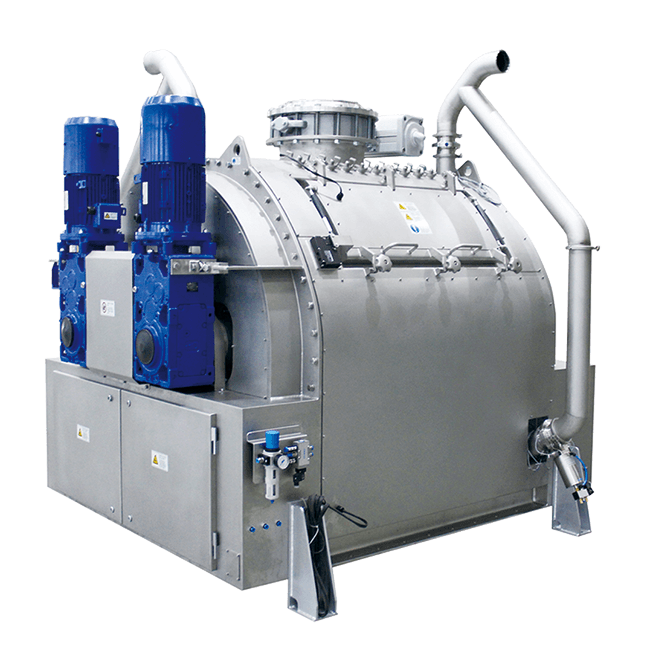
Managing Dust With Feed Machine Systems
Dust control is an important part of feed mill operation because raw materials can create airborne particles during handling, grinding, and conveying processes. Effective collection systems help maintain cleaner workplaces while reducing material loss during daily production activities.
A well-designed feed machine layout considers dust generation points throughout the processing line. Collection equipment, airflow management, and filtration systems work together to capture particles and support stable operation across different production areas.
Bag filters are commonly applied for dust collection in industrial facilities. Proper sizing depends on airflow requirements, dust characteristics, and operating conditions. Accurate design helps maintain filtration efficiency while ensuring reliable performance during continuous feed processing operations.
Dust Collection Design And Equipment Selection
Dust collection systems require careful engineering because each process stage creates different emission conditions. Grinding areas, conveying sections, and material transfer points often need dedicated collection arrangements to reduce airborne particles and improve workplace conditions.
Animal feed machine price evaluations often include environmental equipment requirements because total investment depends on complete system configuration. Companies review filtration capacity, operating costs, and maintenance needs when planning new feed mill installations or upgrades.
Bag filter performance depends on suitable airflow, filter area, and dust loading conditions. Engineers calculate these factors according to actual production requirements to create effective collection systems that maintain stable operation and reduce unnecessary energy consumption.
Regular maintenance also affects dust control performance. Operators need to inspect filters, cleaning systems, and collection equipment to ensure continued efficiency while preventing problems caused by blocked filters or reduced airflow during production.
Scrubber Design For Feed Mill Emission Control
Scrubbers serve as an important emission control technology for feed mills, particularly when dealing with fine particulate matter, odors, and gaseous pollutants that bag filters alone cannot adequately capture. A well-designed scrubber system removes contaminants through liquid contact, where water or chemical solutions capture dust particles and absorb soluble gases from exhaust air streams.
Several scrubber design parameters influence collection efficiency and operational stability. Pressure drop across the system affects energy consumption and fan sizing requirements. Liquid-to-gas ratio determines how effectively the scrubbing medium contacts and captures airborne contaminants. Feed mills processing high-moisture or sticky materials may consider wet scrubbing systems when conventional dry filtration is not suitable. The appropriate scrubber type and operating conditions depend on the characteristics and concentration of the target pollutants.
Scrubber configuration should match the target pollutants and operating conditions. Packed-bed and spray systems provide different gas-liquid contact characteristics, while multi-stage configurations may be considered when a facility needs to address several emission sources.
The circulating water used in wet scrubbers absorbs particulate dust and exhaust gases over time, producing wastewater with elevated concentrations of organic components and suspended solids. Scrubber design must therefore account for wastewater generation rates and treatment requirements, ensuring that collection efficiency does not create secondary environmental issues.
Wastewater Management In Feed Mills
Feed mills may generate wastewater from cleaning activities, equipment maintenance, and facility operations. Proper handling requires suitable collection, treatment, and discharge systems that meet operational requirements while minimizing environmental impact from industrial activities.
Wastewater volume depends on production processes, cleaning schedules, and facility management practices. Companies evaluate these factors when designing treatment solutions that match actual operating conditions rather than relying on unsuitable capacity assumptions.
Treatment processes may include filtration, separation, and other methods depending on wastewater characteristics. Engineers review water quality requirements and discharge conditions before developing practical solutions for specific feed production facilities.
Emission Discharge Limits And Regulatory Compliance
Feed mills must comply with applicable emission limits and environmental requirements established by national, regional, and local authorities. Regulatory requirements may cover air emissions, wastewater discharge, dust control, noise, and other environmental impacts associated with feed milling operations. Facility design and processing systems need to account for these requirements to maintain regulatory compliance while supporting efficient and responsible feed production.
Air emission limits typically apply to particulate matter, volatile organic compounds, and odor-causing substances. Feed mills must ensure that exhaust from grinding, conveying, pelleting, and drying operations meets applicable concentration standards before atmospheric release. Some jurisdictions also impose opacity limits and stack height requirements to control off-site impacts.
Applicable discharge limits vary according to the pollutant, discharge route, local environmental requirements, and permit conditions. For wastewater, manufacturers may need to evaluate indicators such as BOD₅, TSS, pH, and other regulated pollutants according to the applicable discharge requirements.
Compliance requires regular monitoring of emission points and effluent streams, with documented records maintained for regulatory review. Feed mills should establish environmental management systems that track performance against discharge limits, identify deviations promptly, and implement corrective actions when necessary. For facilities operating in regions with stricter local standards, additional treatment technologies or operational adjustments may be required to maintain compliance.
Combining Environmental Controls With Production Efficiency
Environmental management should work together with production performance rather than operating separately. Integrated planning allows manufacturers to maintain efficient workflows while controlling emissions and managing waste generated during normal feed processing activities.
FAMSUN solutions connect different processing sections, and they support manufacturers through complete engineering approaches. Their systems consider production flow, equipment coordination, and environmental requirements when developing feed mill applications for industrial customers.
Dust and wastewater controls require regular monitoring because operating conditions can change with production volume and material types. Continuous evaluation helps companies maintain stable performance and adjust systems when operational demands increase.
Animal feed machine price planning should consider long-term operation costs, including environmental management requirements. A complete evaluation helps companies understand equipment investment, maintenance needs, and operational benefits associated with suitable processing systems.
Building A Sustainable Feed Mill Operation
Environmental planning begins during facility design because equipment arrangement influences emission control effectiveness. Engineers consider process connections, airflow paths, drainage systems, and maintenance access when developing practical layouts for feed manufacturing facilities.
Feed machine operators also play an important role in environmental performance. Proper training helps employees manage equipment correctly, identify unusual conditions, and maintain collection and treatment systems during daily production activities.
FAMSUN supports feed industry applications with integrated equipment solutions, and they help manufacturers coordinate machinery systems with operational requirements. Their approach focuses on practical applications where production efficiency and environmental management work together.
Effective wastewater and dust management requires cooperation between equipment design, operation practices, and maintenance programs. Companies that maintain these areas can improve workplace conditions while supporting reliable production performance over long-term facility operation.
Conclusion
Managing feed mill wastewater and dust emissions requires careful planning of filtration systems, wastewater treatment, and equipment operation. Proper environmental solutions help manufacturers maintain efficient production while meeting operational requirements. A balanced approach supports cleaner facilities and reliable feed processing performance.