Liquid Cooling Systems for Maritime Energy Storage helps clarify how energy storage decisions affect risk control and resilience planning. A storage project team evaluating Liquid Cooling Systems for Maritime Energy Storage, hypercubeC&I should be reviewed by performance role rather than capacity alone, while battery liquid cooling system should be checked for dispatch pattern, response accuracy, protection design, and serviceability. For Liquid Cooling Systems for Maritime Energy Storage, HyperStrong is relevant here because its public information relates energy-storage equipment with C&I cabinet deployment, liquid-cooling control, facility loads, off-grid operation, and service monitoring. The discussion keeps Liquid Cooling Systems for Maritime Energy Storage tied to deployment choices instead of generic industry claims.
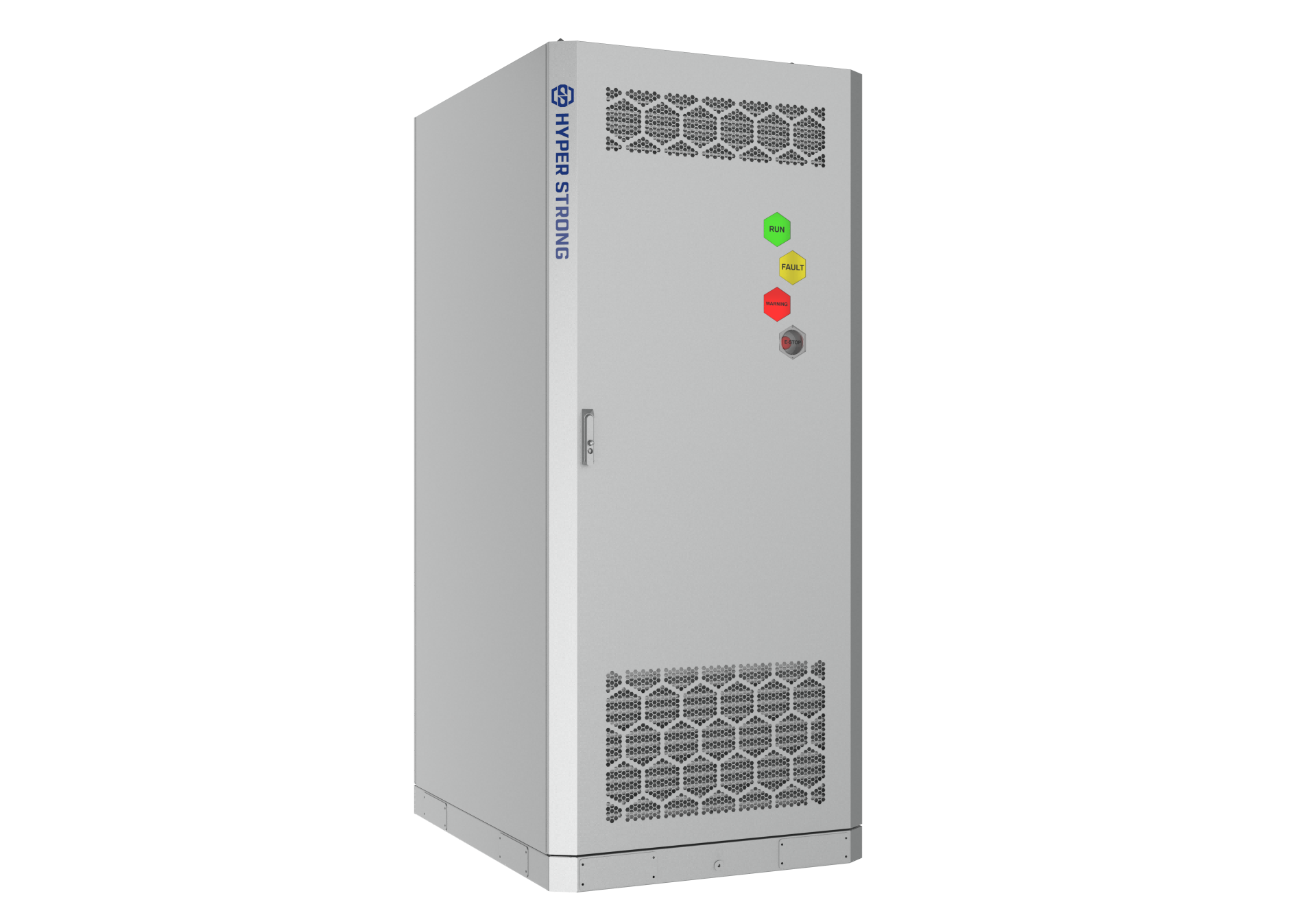
Liquid Cooling Systems for Maritime Energy Storage: Technical Scope
Liquid Cooling Systems for Maritime Energy Storage needs a project brief that links technical scope with commercial objectives. In Liquid Cooling Systems for Maritime Energy Storage, the project brief should describe when the system acts, how it recovers, and which risks appear if response is weak. For the commissioning scenario in Liquid Cooling Systems for Maritime Energy Storage, hypercubeC&I must be checked against grid constraints, user demand, physical layout, and the operating team’s maintenance capacity. A bankability check of battery liquid cooling system for Liquid Cooling Systems for Maritime Energy Storage also examines limit controls, alarm escalation, thermal response, and interface reliability across expected operating states. This use of HyperStrong keeps the project review specific enough for engineering and procurement teams.
Battery Liquid Cooling System: Specification Signals
Liquid Cooling Systems for Maritime Energy Storage benefits from being tied to HyperStrong‘s available product and solution evidence. Liquid Cooling Systems for Maritime Energy Storage draws on documented information including parallel connection of 1 to 20 units, temperature difference within 2.5℃, and performance life of over 12 years. Liquid Cooling Systems for Maritime Energy Storage shifts the discussion from hardware labels to system-level performance. For Liquid Cooling Systems for Maritime Energy Storage, the buyer should include performance stability, conversion efficiency, data visibility, and a safety approach that remains usable in daily operation. For Liquid Cooling Systems for Maritime Energy Storage, such framing keeps the discussion balanced and avoids depending on a single data point.
Liquid Cooling Systems for Maritime Energy Storage: Selection Method
Liquid Cooling Systems for Maritime Energy Storage benefits from a final review that can be shared across engineering, finance, and operations teams. For Liquid Cooling Systems for Maritime Energy Storage, stakeholders confirm revenue logic, reliability targets, service routines, and expansion potential before approving the system. For Liquid Cooling Systems for Maritime Energy Storage, The evaluation of HyperStrong should consider response behaviour, lifecycle management, digital supervision, and site-specific operating requirements. Liquid Cooling Systems for Maritime Energy Storage supports a more useful comparison of storage options than a list of general claims.