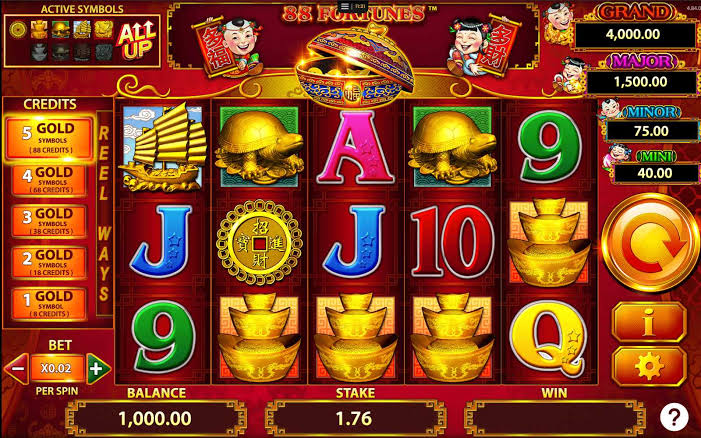
A slot character often has only a brief moment to register before attention returns to the reels. That constraint shapes nearly every design decision behind it, from the theme chosen to how a single symbol has to communicate an entire personality without a single line of dialogue, and it explains far more about why slot art looks the way it does than pure aesthetic preference ever could. Understanding that pressure makes sense of choices that might otherwise look purely decorative.
Themes Cluster Around a Few Recognizable Categories
Slot themes often cluster around a handful of broad categories, each carrying a visual language players can recognize almost immediately. The theme usually sets expectations for the characters, symbols, setting, and overall tone before the reels even start moving, which is why a few recurring categories continue to dominate slot design:
- Ancient mythology, drawing on gods, monsters, and familiar legends.
- Adventure and treasure-hunting, built around explorers, maps, and ruins.
- Fantasy and magic, populated by wizards, dragons, and enchanted objects.
- Animals and nature, ranging from realistic wildlife to stylized creatures.
- Licensed pop-culture tie-ins, borrowing recognition directly from film, television, or music.
A thunderbolt already reads as power and a skull already reads as danger long before a player has spun a single reel, which is exactly the kind of instant legibility a brand-new, unfamiliar theme would have to build from nothing.
Archetypes Do a Lot of Narrative Work Fast
Character archetypes compress an entire backstory into a single pose and color palette: the stoic hero, the scheming villain, the wise mentor, the femme fatale. A player doesn’t need backstory to understand a character posed mid-swing with a sword versus one posed with a magnifying glass and a trench coat; the visual grammar does the explaining before any text does. Coverage of the category, including roundups like Top 6 Female Slot characters, shows how female leads can be framed as fighters, adventurers, or commanding central figures rather than passive supporting characters.
That legibility also has to survive translation across very different markets. A character built around a specific cultural reference can lose its intended meaning entirely once a game launches somewhere unfamiliar with that reference, which is why strong archetypes often lean on cues, posture, color, weaponry, and expression that can remain easier to read across different markets.
Symbol Hierarchy Shapes How a Character Gets Used
Main characters are often positioned among the more valuable symbols in character-led slots. Higher-paying symbols are typically reserved for the most detailed, most animated artwork, often the protagonist or a signature creature tied to the theme, while lower-value symbols default to simpler icons like card suits or gemstones. That gap in visual detail is deliberate, not a budget shortcut applied unevenly. Many slots use a fairly consistent three-tier structure to organize this:
- Premium symbols: the main character or a signature creature, tied to the highest payouts and the most detailed artwork.
- Mid-tier symbols: secondary thematic icons, like specific items, supporting characters, or thematic objects tied to the story.
- Base symbols: simple card-suit or number icons (10 through Ace) reserved for the smallest, most frequent payouts.
When the main character is assigned a premium payout, that hierarchy reinforces the sense that landing the character symbol is a bigger event than landing a generic one, and it gives players an instant visual cue for how a spin performed before the exact payout number even registers. A flash of the main character among the symbols can read as a meaningful moment before a player has consciously processed anything else on the screen.
What Reinforces a Character’s Identity
Static art alone rarely carries a character’s full personality. Voice lines that play on a big win or bonus trigger, idle animations between spins, and a signature sound effect tied specifically to that character’s symbol landing all do a share of the remaining work. Even small expressive details, like a character’s eyes narrowing before a major win animation, function as reinforcement rather than decoration. None of these elements carry much weight in isolation. Repeated across hundreds of spins, they can strengthen the association, turning a single design choice made once during development into something a returning player recognizes months later.
Familiar Archetypes Keep Reappearing for a Reason
Recognizability does real design work because it lets a player understand a new game’s tone almost immediately, without needing a tutorial or an introduction screen. A wizard suggests magic, a warrior suggests conflict, and an explorer signals adventure before any feature has been explained. That makes familiar archetypes useful shortcuts for studios trying to establish a theme quickly within a format where attention keeps returning to the reels.
The repetition also leaves room for variation. Two slots can use the same broad archetype while changing the setting, costume, personality, animation style, or role the character plays in bonus features. That flexibility helps explain why familiar figures keep returning under different names and skins. The archetype provides instant orientation, while the details around it give each game enough identity to feel distinct.