Fleet electrification is changing how businesses approach transportation, energy consumption, and vehicle operations. For companies managing delivery vans, service vehicles, buses, or industrial fleets, installing EV chargers is only the beginning. As charging demand grows, organizations need infrastructure that can support predictable operations while controlling electricity use. Intelligent charging solutions can provide greater flexibility by coordinating charging activity with fleet schedules, available power, and renewable generation.
Why Fleet Charging Needs a Long-Term Strategy?
Fleet operators typically work with defined schedules. Vehicles may return to a depot at similar times, remain parked overnight, or require rapid turnaround between shifts. If many vehicles begin charging simultaneously, electricity demand can increase sharply.
A basic charging system may provide the required electricity but offer limited control over when individual vehicles charge. Intelligent systems can introduce scheduling and load management, allowing fleet operators to align charging with operational priorities.
This becomes increasingly important as fleet size grows. A strategy that works for ten electric vehicles may become inefficient when the same depot serves dozens or hundreds of vehicles.
Lowering the Pressure of Peak Charging
One of the main long-term benefits of intelligent charging is the ability to manage peak electricity demand. Instead of charging every vehicle at maximum available power, charging activity can be distributed according to vehicle requirements and available electrical capacity.
For example, vehicles that will remain parked for several hours may not need immediate charging. A fleet management system can prioritize vehicles according to departure times and required state of charge.
This approach can help operators make better use of existing electrical infrastructure. It may also reduce the need for unnecessary infrastructure expansion when controlled charging can accommodate additional vehicles within existing capacity.
Connecting Charging With Photovoltaic Solutions
Fleet depots can be well suited to solar generation because they often have large buildings, parking areas, and predictable daytime energy consumption. Electricity generated on-site can potentially supply vehicle charging as well as other facility loads.
Photovoltaic solutions can therefore become part of a fleet’s broader energy strategy. However, solar production fluctuates throughout the day, while vehicles may arrive or depart according to operational schedules.
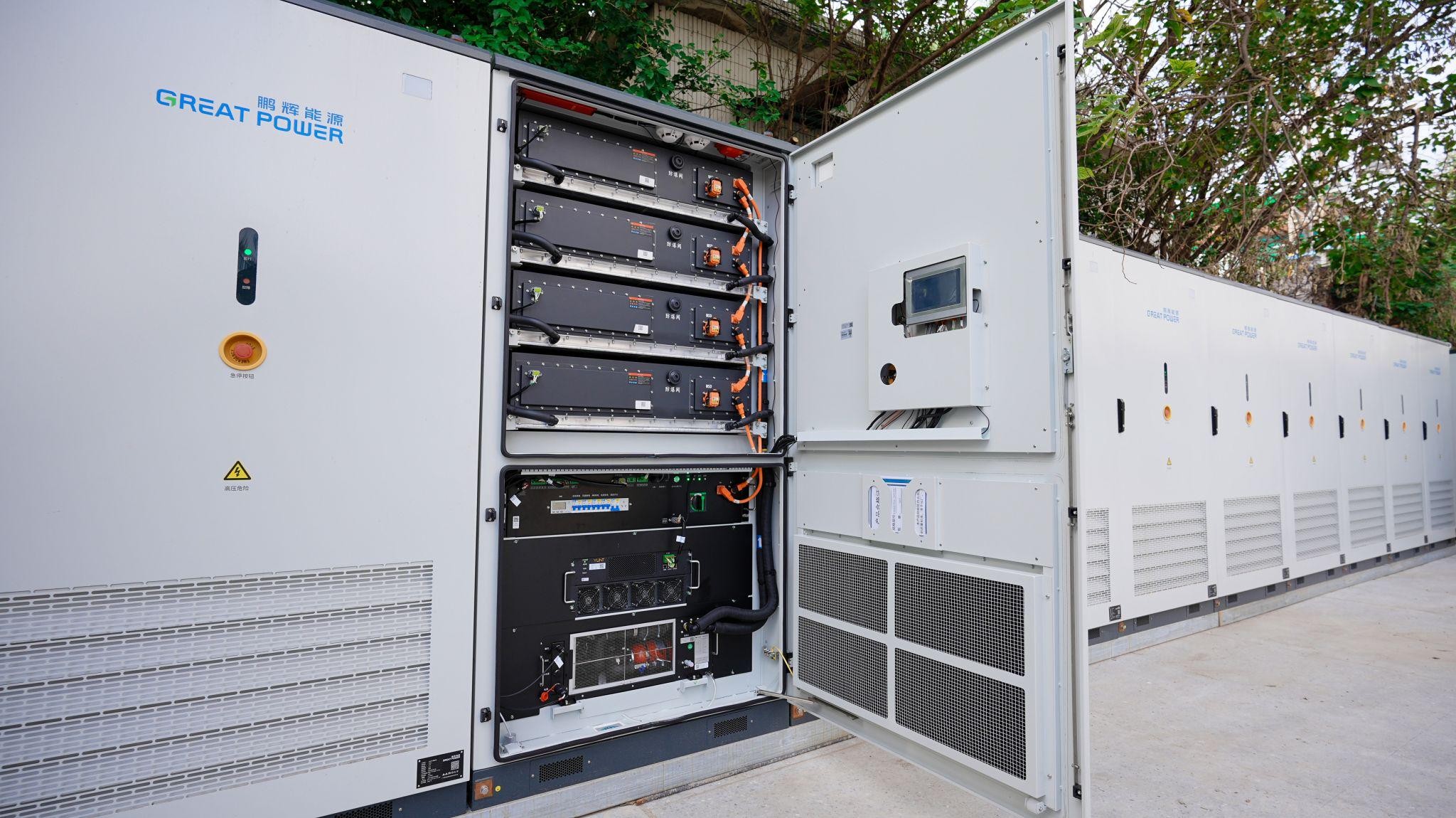
Energy storage can help address this mismatch. Solar electricity produced during periods of strong generation can be stored and subsequently used when charging demand increases. This can provide greater flexibility than relying on direct solar-to-vehicle charging alone.
Improving Fleet Scheduling
Charging management should align with fleet scheduling rather than simply maximizing charging speed. Intelligent systems can consider departure times, energy needs, charger availability, and site power limits to prioritize vehicles.
For logistics businesses, this approach can allocate more energy to vehicles with longer routes or heavier workloads while optimizing overall fleet charging.
Supporting Fast Charging Where It Matters
Fast charging is essential for fleets with limited downtime, but widespread high-power charging can increase electrical demand and infrastructure costs.
Intelligent charging can prioritize faster charging for vehicles with urgent schedules while using lower power for vehicles parked longer, helping balance fleet availability and energy management.
Extending the Usefulness of Existing Infrastructure
Fleet electrification is often a phased process. Businesses may begin with a small number of electric vehicles and expand the fleet as vehicles reach replacement age or operational requirements change.
A scalable charging strategy can reduce the risk of creating infrastructure that becomes unsuitable as demand increases. Intelligent charging solutions can help manage additional vehicles within a defined power envelope, depending on the site’s electrical capacity and system architecture.
This makes charging management relevant not only to current fleet operations but also to future expansion planning.
Measuring the Long-Term Benefits
Fleet managers should evaluate charging infrastructure using operational and financial indicators. Useful metrics can include energy consumed per vehicle, charging utilization, peak demand, vehicle availability, charging duration, and electricity costs.
For fleets using solar generation, additional measurements can include the amount of renewable electricity used for charging and the percentage of charging demand supplied by on-site generation.
These measurements can help businesses determine whether their charging strategy is delivering the expected value. They also provide data for adjusting charging schedules, infrastructure capacity, and energy procurement over time.
Integrating Energy and Transportation Management
As fleet electrification expands, transportation and electricity management become increasingly interconnected. A depot may simultaneously operate as a workplace, warehouse, solar generation site, energy storage facility, and charging center.
This creates an opportunity to manage vehicles and energy resources as part of one coordinated system. Instead of viewing electricity as an unlimited input, fleet operators can consider when energy is generated, stored, consumed, and required by vehicles.
For businesses developing photovoltaic solutions, this integrated approach can make charging infrastructure more closely aligned with the site’s overall energy profile.
A Broader Approach to Charging Infrastructure
Great Power’s charging portfolio includes an intelligent PV solution designed around the combination of renewable energy access, energy storage management, EV fast charging, and EV inspection services. According to the company’s official product information, the solution has been applied in several charging station projects in China.
For fleet operators, the relevance of such an architecture lies in its ability to connect charging with broader energy resources. This provides a potential foundation for organizations that want their transportation infrastructure to evolve alongside their energy strategy.
Choosing a Future-Ready Fleet Charging System
When selecting intelligent charging solutions, fleet operators should look beyond the number of charging points. Important considerations include charging power, load management, system scalability, compatibility with renewable generation, energy storage options, monitoring capabilities, and technical support.
The right configuration depends on fleet size, vehicle types, operating schedules, site conditions, and future electrification plans. A careful assessment can help businesses avoid both underinvestment and unnecessary oversizing.
Conclusion
The long-term value of intelligent fleet charging comes from its ability to adapt as transportation and energy requirements evolve. Great Power supports energy applications across different scales, giving businesses a technology partner to consider when developing integrated charging and energy strategies. By connecting charging requirements with operational planning and photovoltaic solutions, fleet operators can build infrastructure that remains useful as vehicle numbers, electricity demand, and sustainability goals continue to develop.