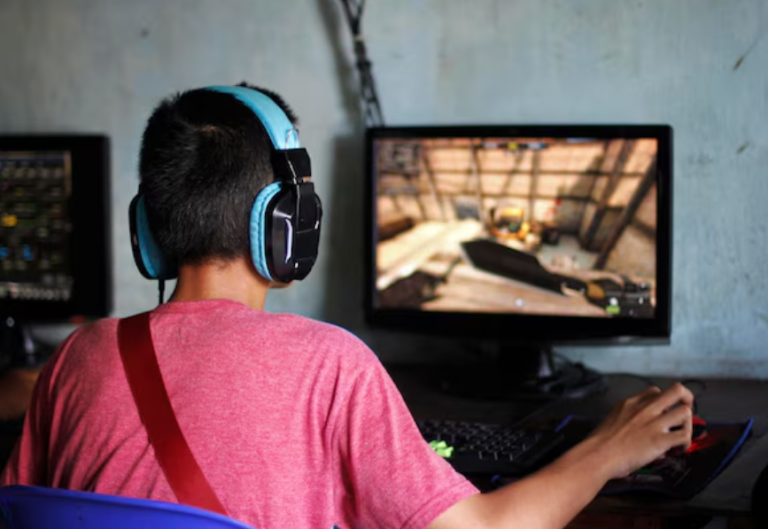
Online gaming has moved far beyond being a niche hobby enjoyed by a small group of dedicated players.
Today, it sits comfortably alongside streaming, social media, music platforms, and other forms of digital entertainment. For modern audiences, gaming is often less about simply “playing a game” and more about interaction, creativity, competition, storytelling, and shared online experiences.
The way people view online gaming has changed because digital habits themselves have changed. Audiences now expect entertainment to be accessible, responsive, social, and available across different devices. Online gaming fits naturally into this environment, which is one reason it continues to attract people with very different interests and backgrounds.
Online Gaming Is Now Part of Everyday Digital Culture
Modern audiences are surrounded by digital experiences from the moment they check their phones in the morning. Messaging apps, video platforms, online communities, and interactive services have become part of everyday life, and gaming exists within that same ecosystem.
For many users, online gaming is simply another digital activity rather than a separate form of entertainment.
Gaming Has Become More Mainstream
A few decades ago, gaming was often associated with dedicated consoles, specialist communities, and specific age groups. That image has changed significantly.
Today, people can play through smartphones, tablets, laptops, consoles, smart TVs, and web browsers. This wider accessibility has introduced gaming to people who may never have considered themselves traditional “gamers.”
Casual puzzle games, sports titles, strategy slot777 games, multiplayer adventures, online slots, simulation games, and social gaming experiences all attract different types of users. As a result, the modern gaming audience is much broader than it once was.
Convenience Shapes How Audiences Perceive Online Games
One of the biggest reasons online gaming feels natural to modern digital audiences is convenience. People are used to services that can be accessed quickly, whether they are watching a video, checking social media, ordering food, or listening to music.
Online games increasingly follow the same pattern.
Mobile Access Has Changed Expectations
Mobile technology has played a major role in shaping gaming habits. Instead of planning an entire evening around a game, users can now interact with digital entertainment during short breaks, while travelling, or when relaxing at home.
This flexibility has changed what audiences expect from online gaming platforms. Many users now value:
- Fast loading times
- Simple navigation
- Mobile-friendly interfaces
- Clear menus and controls
- Smooth transitions between screens
- Easy access across different devices
These features may appear simple, but they strongly influence how comfortable and modern a gaming experience feels.
Social Interaction Has Become a Major Part of Gaming
Online gaming is increasingly viewed as a social activity. Multiplayer modes, live chats, team-based challenges, digital communities, and shared events allow users to interact with others while they play.
This has made gaming more closely connected to the broader culture of online communication.
Games Can Function Like Digital Social Spaces
Some players enter online games primarily for the gameplay itself, while others are equally interested in the social side of the experience.
Friends may use games as virtual meeting places. Competitive players may build teams and communities. Others may watch livestreams, discuss strategies, or follow gaming personalities online.
In this sense, gaming often overlaps with social media, streaming, and community platforms. Modern digital audiences tend to appreciate entertainment that allows them to participate rather than simply observe, and online gaming offers exactly that.
Visual Design Influences Audience Expectations
Modern users have become highly familiar with polished digital interfaces. They regularly interact with apps and websites that use clean layouts, animations, icons, responsive menus, and carefully designed navigation.
Naturally, they expect online slot games to offer a similar level of visual quality.
Presentation Matters as Much as Mechanics
A game can have interesting mechanics, but its interface still needs to communicate information clearly.
Developers increasingly use visual signals to show players what is happening on screen. These may include movement, colour changes, highlighted buttons, animated transitions, progress indicators, and sound cues.
The goal is not simply to make a game look attractive. Good visual design helps players understand the experience more quickly.
For digital audiences who are accustomed to intuitive apps, confusing menus or cluttered screens can feel outdated. Clear presentation has therefore become an important part of how modern users judge online games.
Audiences Are Drawn to Variety and Personal Choice
Another major feature of modern digital culture is choice. Streaming platforms offer thousands of videos, music services provide enormous libraries, and social platforms allow users to follow exactly the content they prefer.
Online gaming has developed in a similar direction.
Players can choose between different genres, themes, formats, difficulty levels, visual styles, and types of interaction. Someone interested in quick entertainment may choose a casual game, while another player may prefer a detailed strategy experience that lasts for hours.
This variety allows audiences to approach gaming on their own terms.
Different Players Want Different Experiences
There is no single definition of the “modern gamer.”
One person may enjoy competitive multiplayer games. Another may prefer simulation titles. Someone else may choose puzzle games, slot gaming, sports experiences, or story-driven adventures.
Because the audience is so diverse, successful online gaming experiences often focus on flexibility rather than assuming every player wants the same thing.
Technology Has Raised Expectations
Modern digital audiences quickly become accustomed to improvements in technology. Faster internet connections, stronger smartphones, better displays, cloud services, and advanced graphics have all influenced what users expect from online entertainment.
Online gaming has benefited from these developments.
Games can now include smoother animations, richer environments, more complex interactions, and faster online connectivity than earlier digital experiences allowed.
At the same time, technology is often most effective when users barely notice it. A smooth interface, responsive controls, or quick loading process may feel simple, but they depend on significant technical development behind the scenes.
Gaming Is Increasingly Viewed as Interactive Entertainment
Perhaps the biggest change is the way audiences define entertainment itself.
Traditional entertainment often involved watching or listening. Digital entertainment increasingly asks users to participate.
Online gaming fits perfectly into this shift because players make choices, react to events, explore environments, compete with others, and influence what happens on screen.
This sense of participation is one reason gaming has become such a strong part of modern digital culture. Audiences are no longer limited to being passive viewers. They can become active participants in the experience.
Conclusion
Modern digital audiences generally view online gaming as part of a much larger entertainment landscape. It exists alongside streaming, social media, mobile apps, and online communities rather than standing apart from them.
Its growing appeal is closely connected to convenience, mobile access, visual quality, social interaction, technological improvement, and the ability to offer many different types of experiences.
As digital habits continue to develop, online gaming is likely to remain closely connected to the way people communicate, relax, compete, and spend time online. For many modern users, gaming is no longer simply a category of entertainment. It is one of the many interactive experiences that define everyday digital life.