Selecting the right AC drives supplier is an important decision for industrial businesses that rely on stable motor control, energy efficiency, and long-term equipment performance. From manufacturing facilities to renewable energy projects, companies need drive solutions that match their operational requirements while maintaining reliability and cost effectiveness. Evaluating technical capability, production experience, and service support can help businesses identify a suitable partner for their automation needs.
Assess Technical Expertise When Selecting AC Drives Suppliers
AC drives play a key role in regulating motor speed, improving process control, and reducing unnecessary energy consumption. However, not all suppliers provide the same level of product quality. Businesses should examine whether a supplier has strong experience in power electronics, industrial automation, and drive system development before making purchasing decisions.
A capable supplier should understand different application environments, including manufacturing equipment, pumps, fans, conveyors, and renewable energy systems. This knowledge allows the supplier to provide solutions that are designed according to specific operating conditions rather than offering standard products without customization.
Working with an experienced inverter manufacturer can provide advantages in product development, engineering support, and application guidance. Companies with professional technical teams are usually better positioned to address challenges related to motor compatibility, control accuracy, and system integration.
Evaluate Manufacturing Capability and Product Quality Control
Manufacturing capability is another essential factor when sourcing AC drives. Industrial customers often require products that can operate continuously under demanding conditions, making quality management throughout the production process especially important.
A qualified VFD manufacturer should have established procedures for component selection, assembly, testing, and quality inspection. Testing processes may include performance verification, protection function checks, temperature resistance evaluation, and operational reliability assessments. These steps help ensure that each drive meets expected standards before delivery.
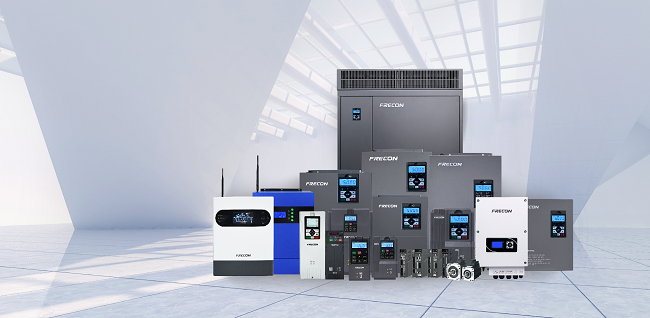
FRECON focuses on industrial automation, energy efficiency, and green new energy applications. With more than a decade of experience in energy converter development and application, the company provides solutions including VFD inverters, servo system drivers, and solar inverters. Its product development experience supports applications that require reliable motor control and energy management.
Consider Product Range and Application Compatibility
When sourcing AC drives, businesses should consider whether a supplier offers products suitable for different industrial requirements. A broad product portfolio can simplify procurement and improve project flexibility, especially for companies managing multiple applications.
Modern AC drives are used in various industries where precise speed regulation and efficient operation are required. For example, pump systems may need stable flow control, while manufacturing equipment may require accurate motor response and continuous operation. Selecting drives that match the application environment helps improve system efficiency and reduce maintenance requirements.
An experienced VFD manufacturer can often provide different drive options based on motor type, power requirements, communication methods, and control functions. This flexibility allows industrial users to develop more suitable automation systems while avoiding unnecessary equipment limitations.
Review Energy Efficiency and Long-Term Operating Value
Energy consumption is a major consideration for industrial companies, especially as businesses seek to improve operational efficiency and reduce overall costs. AC drives can help optimize motor performance by adjusting operating speed according to actual workload requirements.
When evaluating suppliers, companies should look beyond initial purchase prices and consider long-term value. Product reliability, energy-saving performance, service availability, and maintenance requirements all influence the total cost of ownership.
A professional inverter manufacturer with expertise in energy management can help customers develop solutions that balance performance and efficiency. FRECON’s focus on industrial automation and sustainable energy reflects the growing demand for technologies that support both productivity and responsible energy use.
Check Supplier Support and Industry Experience
Reliable technical support is an important part of sourcing industrial equipment. Businesses should evaluate whether a supplier can provide assistance during product selection, installation, commissioning, and after-sales service.
A supplier with practical industry experience can better understand customer challenges and provide recommendations based on real operating conditions. This is particularly important for complex projects where AC drives need to work together with other automation components.
Companies should also review a supplier’s history, market experience, and ability to support international customers. A stable supplier relationship can help reduce project risks and ensure consistent product availability over time.
Making an Informed Decision When Purchasing AC Drives
Choosing the right AC drives supplier requires careful evaluation of technical expertise, manufacturing standards, application knowledge, and customer support capabilities. Businesses should consider not only product specifications but also the supplier’s ability to provide reliable solutions throughout the equipment lifecycle.
FRECON has developed experience in industrial automation, energy efficiency, and renewable energy solutions, offering products such as VFD inverters, servo system drivers, and solar inverter solutions. As an established inverter manufacturer and VFD manufacturer, FRECON continues to support businesses seeking efficient and dependable drive technologies for industrial applications. By evaluating suppliers based on these factors, companies can build stronger foundations for future automation and energy management projects.