Packaging has become a major factor influencing the performance, usability, and market success of spray paint products. For an aerosol spray paint manufacturer, the can is no longer just a container. It is an engineered delivery system that must control spray quality, protect the formulation, and improve user experience.
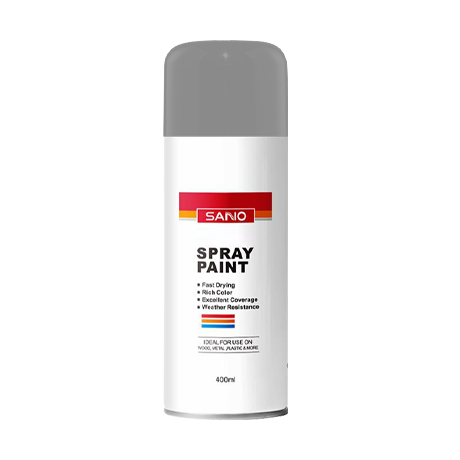
SANVO recognizes that modern aerosol paint packaging requires a balance between functional design, safety, and production efficiency. Manufacturers are now exploring advanced valves, ergonomic actuators, sustainable materials, and smarter dispensing systems to solve challenges such as uneven spraying, product waste, and environmental concerns.
Advanced Valve Systems for Better Spray Control
One of the most important packaging innovations in aerosol spray paint is the improvement of valve technology. The valve controls how paint moves from the container to the nozzle, directly affecting spray consistency, coverage, and paint utilization.
Traditional valves can struggle with changes in viscosity, temperature fluctuations, or long storage periods. Newer valve designs focus on maintaining stable output pressure and reducing clogging risks. This allows users to achieve a more uniform coating even when working on different surfaces.
For manufacturers, selecting the right valve requires compatibility testing between the paint formulation, propellant, and packaging components. A high-quality valve system can reduce complaints related to inconsistent spray patterns and improve the overall reliability of the product.
Ergonomic Actuator Designs Improve User Experience
The actuator, or spray button, has become another area where top manufacturers are introducing improvements. While it appears to be a small component, its design influences how comfortably users can control spray direction, pressure, and application speed.
Modern aerosol packaging uses wider finger pads, improved nozzle structures, and optimized spray angles to reduce hand fatigue during extended use. These changes are especially valuable for professional painters and industrial users who handle multiple cans during a project.
An experienced aerosol spray paint manufacturer understands that packaging performance is closely linked to human interaction. A well-designed actuator helps users apply paint more accurately, reduces overspray, and creates a more professional finishing result.
Sustainable Packaging Materials and Lightweight Can Designs
Environmental expectations are pushing aerosol manufacturers to rethink traditional packaging materials. Lightweight aluminum cans, recyclable components, and reduced material usage are becoming more common as companies aim to lower transportation costs and improve sustainability.
Packaging improvements are not limited to changing the outer can. Manufacturers are also examining caps, actuators, and internal components to create systems with better recyclability. Material selection must still maintain pressure resistance, corrosion protection, and long-term product stability.
For spray paint products, sustainability cannot come at the expense of safety. The packaging must continue to withstand internal pressure while protecting the coating formulation throughout storage and distribution.
Bag-on-Valve Technology for Enhanced Product Efficiency
Bag-on-valve (BOV) technology represents a significant development in aerosol packaging. Unlike traditional systems where the paint and propellant are combined, BOV separates the product from the propellant inside a flexible bag.
This structure can provide more consistent dispensing because the formulation is protected from direct contact with the propellant. It may also improve product evacuation, allowing users to utilize more of the paint inside the container.
For certain aerosol applications, BOV systems can support spraying from different angles while maintaining stable performance. However, manufacturers must carefully evaluate formulation compatibility, filling processes, and production costs before adopting this technology.
Smart Packaging Choices Based on Application Needs
Not every spray paint product requires the same packaging solution. Decorative paints, automotive coatings, industrial maintenance sprays, and specialty coatings may have different performance requirements.
A professional packaging strategy considers factors such as spray pattern, particle size, storage conditions, transportation requirements, and user expectations. For example, automotive repair users may prioritize precision spraying, while general consumers may value easy handling and wide-area coverage.
The mistake many buyers make is choosing packaging based only on appearance or cost. A lower-cost can design may create problems later if it causes poor spray performance, leakage, or reduced shelf life. Packaging decisions should be evaluated as part of the complete product development process.
Digital Printing and Customization Opportunities
Visual appearance remains important in competitive aerosol markets. Advanced printing technologies now allow manufacturers to create more attractive can designs while maintaining production efficiency.
High-quality graphics help brands communicate product features, color information, and usage instructions more effectively. Customized packaging also supports product differentiation when multiple spray paint brands compete on retail shelves.
However, successful packaging design must combine aesthetics with technical requirements. A visually attractive can still needs reliable sealing, compatibility with coatings, and efficient filling performance.
Future Directions in Aerosol Spray Paint Packaging
The next generation of aerosol packaging will likely focus on combining sustainability, precision dispensing, and improved convenience. Manufacturers are exploring solutions that reduce material consumption while maintaining strong performance standards.
Automation and quality monitoring during production will also play a larger role. Better inspection systems can identify filling problems, valve defects, or packaging failures before products reach customers.
Innovation in aerosol spray paint manufacturing has moved beyond better paint formulas. Packaging engineering now carries equal weight—it plays a direct role in delivering consistent results and building the trust that keeps customers coming back.
Conclusion
Packaging innovations are reshaping how aerosol spray paint products are designed, manufactured, and used. From advanced valves and ergonomic actuators to sustainable materials and BOV systems, each improvement addresses specific challenges in performance, efficiency, and user satisfaction.
Industry changes and practical packaging considerations are two factors that continue to guide SANVO‘s efforts in delivering reliable aerosol solutions. Evaluating spray paint products means looking closely at packaging technology—it directly affects coating quality, how customers experience the product, and the brand’s ability to stay competitive over time.