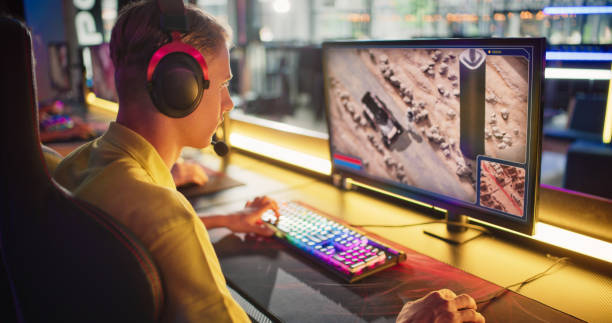
Have you ever played an online game that you absolutely enjoyed, only to find that your friend thought it was boring? It happens more often than you might think. Two people can play the same game, follow the same rules, and interact with the same features, yet walk away with completely different opinions.
Digital entertainment is a personal experience. Some players enjoy fast-paced challenges, while others prefer relaxing puzzles, creative stories, or simple slot games. Even small details such as music, colors, animations, and controls can affect how someone feels while playing.
Personal Preferences Shape the Gaming Experience
Everyone approaches entertainment differently. Some people enjoy competition and challenging objectives, while others want something simple after a busy day.
Online games reflect these differences by offering various gameplay styles, themes, and levels of complexity.
Different Players Enjoy Different Features
Consider two people playing the same adventure game. One might enjoy completing difficult missions, while the other prefers exploring the environment and following the storyline.
The same differences appear in online slot gaming. Some players appreciate traditional reels and familiar fruit symbols, while others prefer animated characters, creative themes, and interactive bonus features.
Game Design Influences How People Feel
Visual presentation plays an important role in digital entertainment. Colors, backgrounds, character designs, and animations can create different impressions.
However, people do not always respond to these elements in the same way.
Colors and Themes Create Different Atmospheres
A fantasy-themed game might feature dark forests, glowing symbols, and mysterious characters. A nature-themed game could use bright colors, flowing water, and gentle background music.
One player might find the fantasy setting exciting, while another may prefer the calmer appearance of the nature-based game.
In online slots, themes primarily influence presentation. They do not automatically determine winning probabilities or payout characteristics.
Players should avoid assuming that a visually attractive game offers better financial outcomes.
Sound Effects Can Change the Entire Experience
Music and audio effects are common elements in modern online slot gaming. They help communicate events and establish the atmosphere.
However, sound preferences vary considerably between players.
Some Players Enjoy Music, Others Prefer Silence
A competitive gaming fan might appreciate energetic music and dramatic sound effects. Someone playing a casual puzzle game may prefer quieter audio.
Online slots often use short musical sequences when special symbols appear or bonus features activate.
These sounds can make gameplay feel lively, but they should not be confused with financial success.
For example, a slot may play celebratory music after a payout that is smaller than the original wager.
Gaming Experience Depends on Skill and Familiarity
A game that feels simple to an experienced player may seem complicated to someone trying it for the first time.
Familiarity with controls, terminology, and gameplay mechanics influences how comfortably people interact with digital entertainment.
Beginners and Experienced Players Notice Different Things
An experienced multiplayer player might quickly understand movement controls, team objectives, and character abilities.
A beginner may need additional time to learn these functions.
Similarly, someone familiar with online slots might recognize wild symbols, scatters, paylines, and multipliers immediately.
A new player may need to read the paytable to understand how these features work.
Technology Can Change How the Same Game Feels
The device used for gaming can also influence the experience.
A game played on a large computer monitor may feel different when accessed through a smartphone.
Screen size, internet connectivity, controls, and device performance all contribute to usability.
Mobile and Desktop Gaming Offer Different Experiences
Desktop gaming often provides more screen space for detailed graphics, menus, and controls.
Mobile gaming offers portability and touchscreen interaction, making it convenient for shorter sessions.
However, smaller screens can make certain buttons or symbols difficult to recognize.
For example, a slot game with detailed animations might look impressive on a computer but feel crowded on a phone.
Players should check device compatibility, loading performance, and available display settings before choosing how to play.
Online Slot Features Appeal to Different Expectations
Modern online slots include different reel layouts, themes, bonus mechanics, and payout structures.
These features can influence what players find interesting, but they do not change the fact that slot outcomes are generally random.
Understanding RTP and Volatility
Return to Player, commonly called RTP, represents the theoretical percentage of wagered money returned across a very large number of plays.
For example, a hypothetical game with 96% RTP is mathematically expected to return 96 units for every 100 units wagered over extensive gameplay.
This does not guarantee that an individual player will receive that amount.
Volatility describes how payouts vary. Lower-volatility games generally produce smaller, more frequent wins, while higher-volatility games may involve longer periods without payouts and occasional larger wins.
One player may prefer a simple game with fewer features, while another may enjoy understanding more complicated bonus mechanics.
However, personal preference should never be confused with a strategy for predicting random outcomes.
Social Interaction Adds Another Personal Dimension
For some people, online gaming is mainly a personal activity. Others enjoy the opportunity to communicate, cooperate, or compete with friends.
Multiplayer features can make the same game feel completely different depending on how someone participates.
Playing Alone Versus Playing With Others
A person playing a racing game alone might focus on improving personal performance.
Someone playing the same game with friends may enjoy friendly competition and shared conversations.
Cooperative games also allow players to work toward common objectives.
However, social gaming introduces privacy considerations. Players should avoid sharing sensitive information with strangers and review communication settings before joining online communities.
Mood and Available Time Affect Entertainment Choices
The same person may enjoy different games depending on their mood, energy level, or available time.
A challenging game might feel enjoyable during a relaxed weekend but tiring after a busy workday.
Short Sessions and Longer Adventures
Casual puzzle games and quick multiplayer matches may suit people looking for brief entertainment.
Longer adventure games often require more attention, particularly when they include detailed stories or complicated objectives.
Online slots may offer short rounds, but repeated spins and bonus animations can encourage longer sessions than intended.
Players should choose entertainment based on their available time rather than feeling obligated to continue until reaching a particular achievement.
Responsible Gaming Matters for Every Player
Although digital entertainment feels different to everyone, responsible habits remain important.
Games involving real-money betting carry financial risks regardless of personal preferences, themes, or gameplay features.
Setting Limits Based on Personal Needs
Players should consider how gaming affects their time, spending, and daily responsibilities.
Useful precautions include:
- Setting a clear time limit before starting.
- Choosing games that match personal interests and available time.
- Reviewing payment conditions and privacy settings.
- Avoiding unnecessary purchases or impulsive spending.
- Taking regular breaks during longer sessions.
- Never increasing bets to recover gambling losses.
For real-money gaming, checking applicable laws and platform security is also important.
Online slots and other real-money games should always be treated as entertainment, not as a reliable way to earn income.
Conclusion
Digital entertainment feels different to everyone because people bring their own interests, experiences, preferences, and expectations into each game.
Visual design, music, gameplay mechanics, device performance, and social interaction can all influence how someone experiences the same digital activity.
For developers, these differences highlight the importance of offering clear interfaces, accessible settings, and varied gameplay styles.