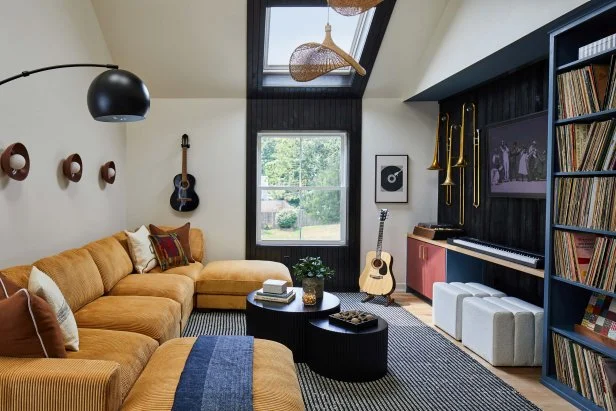
Sound has a significant influence on how comfortable a home feels. While architecture and interior design often focus on appearance, lighting and materials, acoustics are sometimes overlooked until problems become noticeable. Noise from neighbouring rooms, echoes in open spaces and sounds from outside can affect concentration, relaxation and everyday communication.
Good acoustic design considers how sound travels through a building and how different materials influence the quality of each room. It can make a home feel calmer without requiring complicated or expensive solutions.
Understanding Residential Acoustics
There are two main acoustic challenges in residential buildings: sound transmission and reverberation.
Sound transmission occurs when noise travels between rooms or from outside the building. Conversations, televisions, footsteps and mechanical equipment can all become sources of disturbance.
Reverberation describes the way sound reflects from hard surfaces within a room. Large spaces with concrete floors, glass walls and minimal furniture may produce noticeable echoes, making conversations less comfortable.
These issues require different solutions. Improving wall construction can reduce sound transmission, while introducing soft materials can help control reverberation.
An experienced architektas can consider acoustic requirements during the initial building design rather than relying entirely on interior finishes to solve problems later.
Planning Quiet and Active Areas
One of the simplest ways to improve acoustic comfort is to organise the floor plan according to noise levels.
Living rooms, kitchens, playrooms and entertainment spaces are generally more active. Bedrooms, studies and reading areas benefit from quieter locations.
Where possible, bedrooms should not share walls with noisy utility rooms or entertainment spaces. Bathrooms and storage areas can sometimes act as buffer zones between quieter and more active parts of the house.
Mechanical equipment should also be positioned carefully. Heating systems, ventilation units and pumps can produce continuous background noise if they are located too close to bedrooms or living areas.
Good planning by architektai can reduce the need for additional acoustic treatment after construction.
Sound Insulation Between Rooms
Walls, floors and ceilings influence how easily sound travels between different parts of a home. Their performance depends on construction, material density, insulation, connections and the way openings are detailed.
Lightweight partition walls may need additional acoustic insulation and suitable plasterboard systems to reduce sound transmission. Doors can also be weak points, particularly when there are large gaps around their edges.
In multi-storey homes, floor construction should consider impact noise from footsteps and furniture movement. Suitable floor assemblies, resilient layers and ceiling systems may improve acoustic performance.
It is important to understand that acoustic insulation is a complete construction detail. Simply adding a layer of soft material to a wall will not necessarily solve sound transmission problems.
Controlling Echo in Open Spaces
Open-plan interiors can create acoustic challenges because sound travels across large connected areas. Hard flooring, extensive glazing and high ceilings may increase reverberation.
Soft materials help absorb sound and create a more comfortable environment. Rugs, curtains, upholstered sofas and fabric-covered furniture can reduce reflections.
Acoustic wall panels and ceiling treatments may be useful in rooms with particularly high ceilings or minimal furnishings. They are available in different finishes, allowing them to become part of the interior concept rather than appearing as technical additions.
A professional interjero dizaineris vilniuje can select suitable materials and position them where they will have the greatest practical effect.
Acoustic Design for Home Offices
Home offices have specific acoustic requirements. Clear sound is important during video meetings, while reduced background noise helps concentration.
A room with too many hard surfaces may produce echoes that make speech difficult to understand. Curtains, rugs, upholstered furniture and specialist acoustic panels can improve the sound environment.
The location of the office is equally important. Placing it away from the kitchen, television area or main circulation routes can reduce everyday disturbances.
Solid doors and appropriate wall construction may provide additional privacy. If the office is intended for frequent professional calls, these details should be considered early.
Bedrooms and Restful Environments
Bedrooms benefit from a quieter environment. External traffic, neighbouring properties and mechanical equipment can all affect sleep comfort.
Window specification, external wall construction and the location of the bedroom within the house influence the level of noise entering the room.
Inside the bedroom, soft furnishings can help create a more comfortable acoustic environment. Upholstered headboards, curtains, carpets and fabric furniture reduce sound reflections and contribute to a quieter atmosphere.
The interior should also avoid unnecessary sources of background noise. Ventilation and heating equipment should be selected and installed with acoustic performance in mind.
Choosing Materials with Acoustic Performance in Mind
Different materials affect sound in different ways. Hard surfaces generally reflect sound, while porous and soft materials can absorb some of the sound energy.
Timber floors, concrete, glass and stone may contribute to reverberation when used extensively. They can still be appropriate materials, but their use should be balanced with acoustic elements.
Textured wall finishes, fabric panels, carpets and curtains can improve the overall sound environment. Some specialist products are designed specifically for acoustic absorption, while others provide a combination of visual and acoustic benefits.
An experienced interjero dizaineris can incorporate these solutions into the material palette so that acoustic comfort does not compromise the appearance of the home.
Integrating Acoustics into the Design Process
Acoustic performance should be considered alongside structural design, mechanical systems and interior planning. Decisions about room positions, wall construction and floor assemblies are generally easier to make before construction begins.
The architectural team can establish the appropriate separation between spaces, while interior specialists can select finishes that control reverberation and improve everyday comfort.
Coordination between architektai and interjero dizaineriai helps create a balanced result in which acoustic requirements are integrated naturally into the design.
A More Comfortable Home
A quiet home does not need to be completely silent. It should simply provide the right acoustic conditions for different activities. Living areas can feel lively and social, while bedrooms and workspaces offer greater privacy and calm.
By considering sound transmission, room layout, material selection and mechanical equipment, homeowners can avoid common acoustic problems and improve the quality of everyday life. Good acoustic design is often invisible, but its contribution to a comfortable home is substantial.