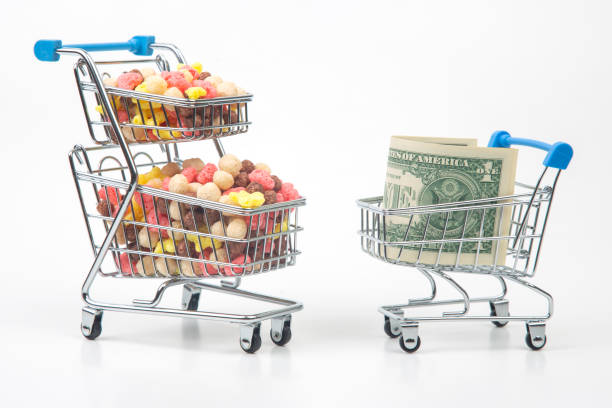
Grocery shopping seems like it should be simple. Buy what you need, pay for it, go home. But somewhere between the oversized tubs of pretzels at wholesale clubs and the constant back-and-forth trips to the corner store, most people lose track of what they’re actually spending.
Bulk buying promises savings. Small, frequent trips promise control. Rarely does anyone sit down and work out which one actually wins, and the answer isn’t as clear-cut as either side likes to claim. It depends on what you’re buying, how much ends up wasted, and how disciplined you are once the pantry is full. Here’s where the real costs hide, because they rarely show up on the receipt.
What “Bulk Buying” Really Means
Most people picture a warehouse club membership when they hear “bulk buying,” but that’s only one version of it. Buying a larger bag of rice at a regular supermarket, ordering a case of canned tomatoes online, or splitting a bulk order with a neighbor all count too.
The common misunderstanding is that bulk automatically means cheaper. It doesn’t. A larger package only saves money if the unit price actually drops and if you use the product before it spoils or goes stale. Neither is guaranteed.
The Real Math Behind Small Weekly Trips
Small trips get a bad reputation for being inefficient, and there’s some truth to that. But the math isn’t as one-sided as it looks on paper.
Why Frequent Trips Feel Pricier Than They Are
Each individual trip costs less at checkout, which makes it feel like the cheaper habit. What people forget to count is the fuel, the parking, and the time. If you’re driving fifteen minutes each way, twice a week, that adds up over a month in ways a single bulk trip avoids.
The Hidden Convenience Tax You’re Already Paying
Frequent shoppers also tend to buy on impulse more often. Walking through a store twice a week means twice the exposure to end-cap displays and “just this once” purchases. A single item here and there doesn’t feel significant, but it quietly inflates the monthly total.
Where Bulk Buying Actually Pays Off
Bulk buying earns its reputation in specific categories, not across the board. Knowing where it works saves you from stockpiling things that just sit there.
Categories Worth Stocking Up On
- Shelf-stable staples like rice, pasta, and dried beans
- Household items that don’t expire, such as paper towels and cleaning supplies
- Frozen proteins, if your freezer has the room
Categories Where Bulk Buying Backfires
Fresh produce is the obvious trap. A five-pound bag of spinach looks like a deal until half of it turns to mush before you get through it. Specialty ingredients you’ll only use once, and anything with a short shelf life, follow the same pattern.
The Cost Nobody Puts on the Receipt: Food Waste
This is where bulk buying quietly loses its advantage for a lot of households. The USDA estimates that food waste accounts for roughly 30 to 40 percent of the food supply in the United States, and buying more than a household can realistically use before it spoils is a major driver of that number. A discount on a family-sized pack means nothing if a third of it ends up in the trash.
This is the calculation most people skip. A bulk purchase that saves two dollars per unit isn’t a saving at all if a quarter of the units never get eaten.
How Where You Shop Changes the Equation
Access matters more than most shoppers realize. Someone with a car and a nearby warehouse club has a very different set of options than someone relying on public transport or smaller local stores. The rise of online grocery platforms has also blurred the line between bulk and small-trip shopping.
A Grossista e Supermercado Online em Portugal, for instance, lets households order pantry staples in bulk quantities without hauling bags through a crowded aisle, combining two shopping habits that used to sit at opposite ends of the spectrum.
That kind of flexibility changes the decision entirely, since it removes the physical effort that used to make bulk trips feel like a chore.
How to Decide What Works for Your Household
There’s no single right answer here. A household of five with a large pantry has different needs than someone living alone in a small apartment.
Questions Worth Asking Before You Commit to Bulk Buying
- Do I have realistic storage space for this?
- Will this item spoil, go stale, or expire before I use it all?
- Am I buying this because it’s genuinely cheaper, or because the packaging looks like a deal?
- Could I split this purchase with a friend or family member instead?
Answering these honestly before checkout catches most of the bad bulk purchases before they happen.
The real cost of convenience isn’t printed on any receipt. It’s the food that spoils in the back of the fridge, the fuel spent on extra trips, and the impulse buys that sneak into the cart.
Neither bulk buying nor small weekly trips wins outright. The better approach is picking the right method for each category of item, and being honest about how much your household actually uses before it goes to waste.
FAQs
Is bulk buying always cheaper than shopping weekly?
No. It’s only cheaper when the unit price genuinely drops and the product gets used before it spoils. For perishable items, small trips often work out cheaper once waste is factored in.
What’s the biggest mistake people make with bulk buying?
Buying perishable items in bulk without a realistic plan to use them. Fresh produce and dairy are the most common culprits.
Does buying in bulk always mean going to a warehouse club?
No. Larger package sizes at a regular store, online bulk orders, and splitting purchases with someone else all count as bulk buying.
How can I tell if a bulk deal is actually worth it?
Compare the price per unit, not the total price, and be honest about whether you’ll use the full quantity before it expires or goes stale.