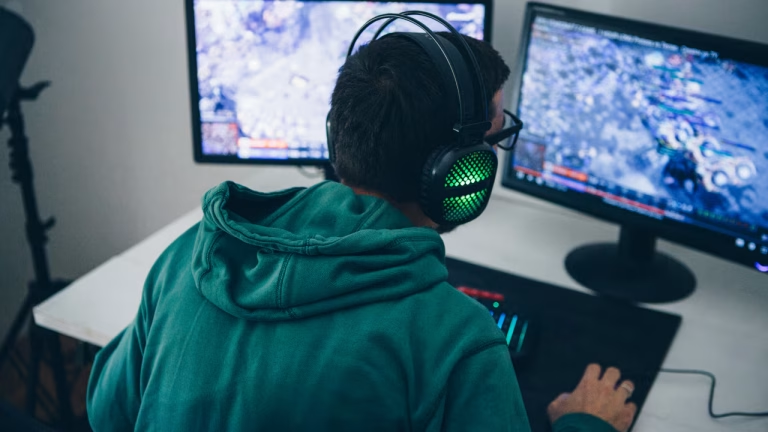
The Joyful, Optimistic Side Of India’s Online Gaming Culture
There has been exponential growth in India’s online gaming industry over the past several years. Online gaming was once a niche activity only enjoyed by a select few who could afford the expensive hardware required to play it.
Online gaming has gone mainstream in the past decade, becoming an important part of Indian daily routines due to affordable smartphones and data usage plans, and fifty percent of the population under the age of thirty-four.
Gaming is no longer focused just around winning. Online gaming platforms have become vibrant social hubs with digital equality that transcends linguistic, geographical, and social barriers. Indians from diverse cultural backgrounds and different social classes can meet each other in online communities and share their joy, hopes, and dreams and express their creativity and talents freely without the rules of physical society creating barriers.
How Positive Emotions And The Spirit Of Play Define The Best Gaming Experiences
Platforms such as Casino Khajana India use a blend of technology, tradition, and an emphasis on the importance of local communities to offer some of the best online gaming experiences by creating a digital environment that fosters positive emotions and a spirit of play where gamers are less focused on winning; rather, they enjoy the value of sharing excitement when a difficult challenge is successfully overcome, discovering a new game, learning a new skill, or a surge of happiness during funny moments together with other gamers that creates important emotional connections and a sense of belonging.
Gaming is often enjoyed in short two to five-minute breaks throughout the day. Gaming is often enjoyed as a welcome reprieve from hectic schedules helping to reduce stress and encourage relaxation.
These short breaks help recharge cognitive abilities, which can result in increased productivity in the workplace. They also encourage collaboration, critical thinking and provide important virtual hangouts where gamers can easily connect friends, family, or other individuals of online gaming communities.
It is the social interactions rather than the big wins that gamers tend to remember more often and create memorable experiences that last long after a game has ended.
The Game Formats And Communities That Bring The Most Smiles To Indian Players
Mobile gaming dominates the Indian digital entertainment landscape, with ninety percent of all users accessing content on their smartphones or other mobile devices. Indian gamers are very shrewd when it comes to spending money and the majority of gamers enjoy hyper-casual games, which are easy to learn, are free or ad-supported, and can be enjoyed in short bursts throughout the day or on a quiet evening at home.
Online gaming has evolved from being a singular activity that was enjoyed by a minority into a mainstream activity that is enjoyed by more than half of the country’s population, across all age groups but especially among the vast younger generation under the age of thirty-four who enjoy engaging with different game formats such as esports, fantasy sports, battle royale games, puzzles, and an increase in traditional Indian games such as rummy and online casinos.
Gaming platforms are increasingly integrating social features into their designs. Now gamers not only log onto platforms to play games but also to see if their friends are online. There has been a rapid increase in online gaming communities where individuals collaborate, share skills and strategies, celebrate victorious moments, and engage in real-time chats and tournaments.
Whether gaming is casual or competitive play, online gaming communities now play an important role in creating the gaming journey. Gamers have also become content creators and often share their experiences either through screenshots, video clips, or on livestreams, creating digital ecosystems where individuals from different social classes, backgrounds, and geographical locations can enjoy sharing experiences together.
Why A Cheerful Attitude And Responsible Approach Go Hand In Hand In Gaming
Gaming has transcended from being mere entertainment into an experience that creates deep emotional connections, excitement, happiness, meeting new friends, shared strategies, fosters ambition, and encourages the setting of personal goals. Gaming provides a welcome short escape from chores or other realities of daily life, enabling individuals to mentally recharge and relax.
However, as the number of Indian gamers increases and the amount of time spent on screen engaging with digital entertainment has grown exponentially, there is increased concern about the amount of time that Indians spend online. Gaming should provide happiness but it is important to approach it responsibly and ensure that it remains a recreational activity that is enjoyed as part of a balanced lifestyle that is a healthy blend of digital and non-digital activities.
A cheerful attitude and a responsible approach go hand in hand,, especially when engaging with games that require money or are chance-based. Gamers should understand their personal limits, such as tolerance for risk and engage in habits that will ensure that gaming remains fun and entertaining, where gamers understand that the process includes wins and losses and that this is all part of the excitement of the activity.
Before engaging with a platform, gamers should ensure that they understand the risks and costs associated. Real money games should never be played to try to achieve supplemental income but should be considered an entertainment expense in the same way that money is spent to eat a meal out or go to the cinema. Set a budget that does not interfere with other financial responsibilities and stick to it. Agree on what an acceptable loss threshold is and stop playing when that is reached or the session limit has been reached.
Online safety and player protection are important, and gamers should only choose reputable platforms that hold a full license from an authorised gaming authority, use KYC (know your customer) and adhere to local and international gaming regulations. If, for any reason, gaming is no longer fun, then the activity should be stopped to avoid personal harm to individuals or others around them.
How To Keep The Joy Alive In Your Gaming Experience As An Indian Player
It is important that gamers enjoy gaming experiences for the happiness and joy that they provide. It is important to carry out research and find games that truly align with an individual’s interests rather than just choose a game because it is popular. There are many gamers that prefer casual games while others thrive on the complexity of highly competitive games.
Individuals should enjoy gaming for the entertainment that it provides rather than focusing solely on the results or the achievements of other players. Gaming is much more fun and enriching if individuals enjoy the satisfaction of reaching a new personal best which can be just as satisfying as achieving the win.
Playing the same game can become repetitive, therefore, keeping the mind open to new gaming genres, playing with friends, or even taking a short break keeps gaming exciting and memorable. It is important that gaming fits smoothly into daily routines along with other important life aspects such as work, family, and friends, while keeping their own space.
Conclusion
A cheerful gaming culture is more about the experience than the actual game that is played. There is no right or wrong type of game genre to enjoy. Gaming has a different significance for every player. Some enjoy it because of the social aspect, others enjoy achieving a new personal best, or just for a quiet moment of relaxation.
Indians can keep the joy of gaming alive through a pragmatic approach that treats it like any other form of entertainment, where there are celebrations for wins, lessons learned from losses, enjoying the shared camaraderie with other players, and knowing when it is time to take a break so that gaming remains what it is meant to be: entertainment that is a blend of smiles and meaningful connections.