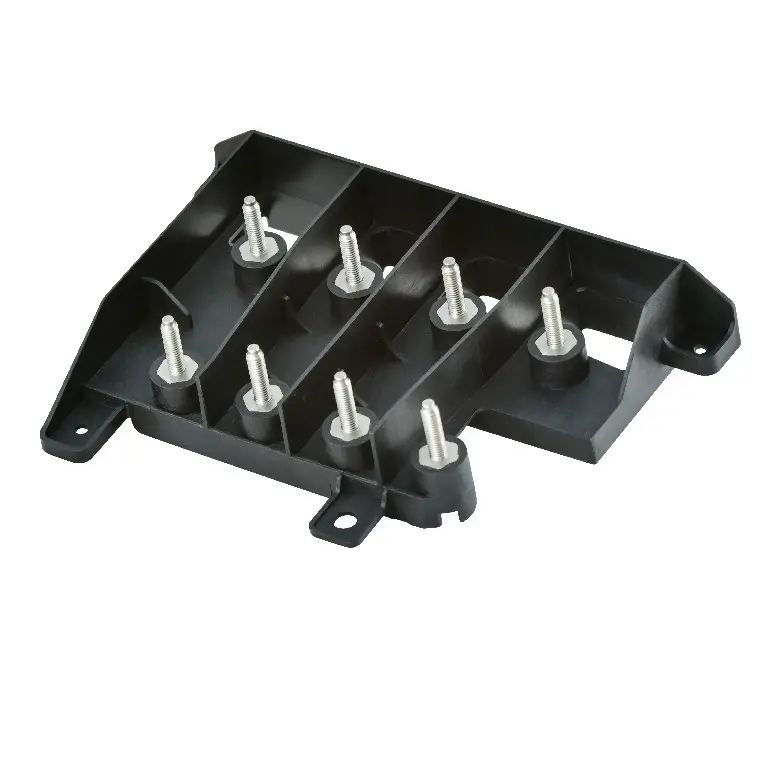
In the ever-evolving landscape of manufacturing, rapid tooling has emerged as a game-changer, effectively bridging the gap between concept and production. This innovative approach allows designers and engineers to create high-quality molds for limited production runs, thereby testing their designs with real materials. Cost-effective and efficient, rapid tooling significantly accelerates the product development cycle while ensuring precision and quality.
Optimizing Design Testing
Rapid tooling offers tremendous benefits when it comes to testing designs. By producing durable molds quickly, manufacturers can conduct thorough pre-production evaluations. This methodology not only helps in identifying potential issues but also allows for informed design modifications before moving into full-scale production. HordRT’s advanced rapid tooling solutions enable faster iterations, making it easier for teams to test multiple design variants without incurring prohibitive costs.
Enhancing Production Efficiency
The primary advantage of rapid tooling lies in its ability to streamline the manufacturing process. Traditional tooling takes significant time and resources, but rapid techniques can reduce this drastically. Companies can generate production-ready parts more swiftly, meeting market demands and deadlines effectively. Moreover, as manufacturing cycles become shorter, the flexibility afforded by HordRT’s rapid tooling can lead to increased customer satisfaction through timely delivery of high-quality products.
Economical Small-Batch Manufacturing
For businesses looking to launch new products or test market responses, small-batch manufacturing facilitated by rapid tooling proves invaluable. This approach allows for the creation of limited quantities of products, which is optimal for niche markets or innovative trials. By utilizing HordRT’s systems, manufacturers can manage inventory better and reduce waste, all while keeping costs in check. This adaptability not only enhances competitiveness but also fosters a more sustainable production process.
Conclusion
Rapid tooling represents a significant advancement in modern manufacturing. With the capabilities offered by solutions like HordRT, businesses can enjoy faster design testing, increased production efficiency, and economical small-batch manufacturing. As industries continue to evolve, leveraging such technologies will be crucial for staying relevant and meeting consumer demands. Harnessing rapid tooling can transform not just processes but also the potential for innovation in product development.