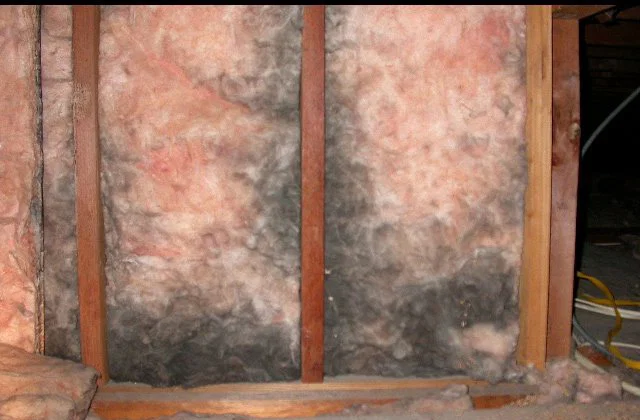
Wet insulation in the attic is a common but often overlooked problem that can lead to significant issues in any home. When insulation becomes damp, it loses its effectiveness, allowing heat to escape in winter and enter during summer, which can drive up energy costs and reduce comfort. Moisture in attic insulation can also create an environment where mold and mildew thrive, potentially causing health concerns for residents. Understanding the causes of wet insulation is crucial for homeowners who want to maintain a healthy, energy-efficient living space and avoid costly repairs down the line.
Key factors behind attic moisture
Roof Leaks and Their Impact
One of the most frequent causes of wet insulation in the attic is a leaking roof. Even a small breach in the roofing material can allow water to seep into the attic space, especially during heavy rain or snow. Over time, this moisture accumulates in the insulation, reducing its ability to regulate temperature and potentially leading to structural damage in the attic. Roof leaks can be difficult to detect from inside the home, as water often travels along rafters or beams before soaking into the insulation. This means that by the time a homeowner notices a problem, the insulation may already be saturated and in need of replacement. Regular roof inspections and prompt repairs are essential to prevent leaks from causing long-term damage to attic insulation.
Poor Ventilation and Condensation
Another significant contributor to wet insulation is inadequate attic ventilation. When warm, moist air from the living spaces below rises into the attic, it can become trapped if there is not enough airflow to carry it outside. This trapped moisture condenses on cooler surfaces, such as the underside of the roof deck or the insulation itself. Over time, this condensation can saturate the insulation, diminishing its effectiveness and encouraging the growth of mold and mildew. In regions with high humidity or significant temperature fluctuations, the risk of condensation-related moisture problems increases. Homeowners should ensure that their attic has sufficient intake and exhaust vents to promote proper air circulation and minimize the risk of condensation.
Homeowners in the region often rely on Roofing Charlotte NC professionals to assess and address attic moisture issues. These contractors are familiar with the local climate and common roofing materials, allowing them to identify vulnerabilities that might lead to leaks or poor ventilation. By conducting thorough inspections and recommending appropriate repairs or upgrades, they help ensure that attics remain dry and insulation stays effective. Their knowledge of regional weather patterns and building codes also enables them to suggest solutions tailored to the specific needs of Charlotte-area homes, reducing the likelihood of recurring moisture problems in the attic.
Plumbing Issues in the Attic
In some homes, plumbing pipes run through the attic space, particularly in multi-story houses or those with complex layouts. If these pipes develop leaks or condensation forms on their surfaces, water can drip onto the insulation below. Over time, even a slow leak can saturate the insulation, leading to reduced thermal performance and potential mold growth. Plumbing leaks in the attic are often harder to detect than those in more visible areas of the home, as the signs may be hidden by insulation or only become apparent when significant damage has occurred. Regularly inspecting attic plumbing and addressing any signs of moisture promptly can help prevent insulation from becoming wet due to plumbing issues.
Short-Term Effects of Wet Insulation
When insulation in the attic becomes wet, the immediate effects can be noticeable. The insulation loses its ability to trap air, which is essential for maintaining a consistent indoor temperature. As a result, homeowners may notice their heating and cooling systems working harder to keep the home comfortable, leading to higher energy bills. Additionally, wet insulation can emit a musty odor, signaling the presence of moisture and the potential for mold growth. Addressing wet insulation quickly is important to prevent these short-term issues from developing into more serious, long-term problems.
Mold and Health Concerns
Wet insulation creates an ideal environment for mold and mildew to flourish. Mold spores thrive in damp, dark spaces, and once they take hold in attic insulation, they can spread rapidly. This not only damages the insulation further but also poses health risks to the home’s occupants. Mold exposure can cause respiratory issues, allergic reactions, and other health problems, particularly for individuals with preexisting conditions or sensitivities. The presence of mold in the attic can also affect indoor air quality throughout the home, as spores may circulate through the HVAC system. Removing wet insulation and addressing the underlying moisture source is essential to protect both the home and its residents from the dangers of mold.
Preventing Wet Insulation in the Attic
Preventing wet insulation starts with regular maintenance and vigilance. Homeowners should schedule periodic roof inspections to catch and repair leaks before they cause significant damage. Ensuring that attic ventilation is adequate helps reduce the risk of condensation, while checking for plumbing leaks can prevent water from saturating the insulation. Installing vapor barriers and using moisture-resistant insulation materials can also provide an extra layer of protection. By taking these proactive steps, homeowners can maintain a dry, energy-efficient attic and avoid the costly consequences of wet insulation.
Conclusion
Wet insulation in the attic is a problem that can have far-reaching effects on a home’s comfort, energy efficiency, and indoor air quality. The causes range from roof leaks and poor ventilation to plumbing issues and condensation, each requiring careful attention and timely intervention. Addressing these issues promptly not only preserves the integrity of the insulation but also helps prevent mold growth and potential health risks. Regular inspections, proper ventilation, and swift repairs are key to keeping attic insulation dry and effective. By understanding the causes and taking preventive measures, homeowners can protect their investment and ensure a healthier living environment for years to come.